
School of Ministry
A hybrid ministry formation experience designed to help church leaders build healthy, sustainable, theologically grounded ministries in a rapidly changing world.
ECN’s School of Ministry
Most ministry training focuses on information transfer. The ECN School of Ministry is designed around transformation, sustainability, and practical application.
We believe healthy ministry requires more than theological knowledge alone. Leaders need spiritual formation, leadership health, operational wisdom, discipleship frameworks, and a community of people walking the same road.
This is not a one-size-fits-all ministry model.
It is a framework designed to help leaders faithfully navigate the realities of modern ministry while remaining rooted in Scripture, discipleship, and the mission of God.
The Core Curriculum
The Core walks leaders through the foundational theology, frameworks, leadership philosophies, and ministry applications that shape the ECN approach to discipleship and leadership development.

-
Topics include:
Everyone is a Theologian
Two Things We Want You to Discover
Oh, What Do We Do with This Book of Many Books?
-
Topics include:
What is Hermeneutics?
The Word of Truth
Okay, Let’s Do a Little Bible Study
-
Topics include:
Welcome to Systematic Theology
From Abraham to Acts – Biblical Covenants
Thoughts on Dispensationalism
Election & Predestination
Be Clear When Teaching About the Holy Spirit
Feminism, Charismatics, etc.
-
Topics include:
Spiritual Formation Intro & Your Life Discovery Grid
Fault Lines
Grids, Lies, and Your Core Lie
Your Core Truth
-
Topics include:
Ministry Given Back to the People
Your Salvation Was for a Specific Purpose
Timothy Needs a Paul, Every Paul Needs a Timothy
Remaining Full and Healthy for Your People
Now What?
-
Topics include:
What is Preaching?
Exegeting Your People and Preaching to Them
Crafting the Sermon Pt. 1
Crafting Your Sermon Pt. 2
The Best Way to Preach
Welcome to a Lifelong Journey
-
Topics include:
Missions Course 1 (more info coming soon!)
Missions Course 2 (more info coming soon!)
Missions Course 3 (more info coming soon!)
Missions Course 4 (more info coming soon!)
Go Deeper Through In-Person Workshops

Discipleship as Action & Mission
Discipleship was never intended to stop at information. This workshop explores how churches and leaders can create cultures where people actively participate in the work God is doing in the world. Through practical frameworks and ministry examples, leaders will learn how discipleship connects spiritual gifts, mission, service, leadership development, and local engagement into a sustainable pathway for transformation.
Reading Demographics & Understanding Your Community
Many ministry models fail because they were built for entirely different communities. This workshop helps leaders understand demographic shifts, generational change, cultural realities, and local context so they can better serve the people around them. Leaders will walk away with practical tools for understanding their community and building ministries that meet real needs.
Spiritual Formation & Leadership Health
Healthy ministry begins with healthy leaders. This workshop focuses on spiritual formation, emotional health, rhythms of leadership, and the internal work required to sustain long-term ministry. Leaders will explore how spiritual maturity, accountability, healing, and leadership health directly impact the effectiveness and sustainability of ministry.
Tactical Church Leadership, Sustainability & Operations
Vision alone is not enough to sustain ministry. This workshop focuses on the practical systems, leadership structures, communication strategies, stewardship models, and operational frameworks required to build healthy and sustainable churches and ministries. Leaders will explore how to move from reactive ministry toward intentional and sustainable leadership.
Who is the School of Ministry for?
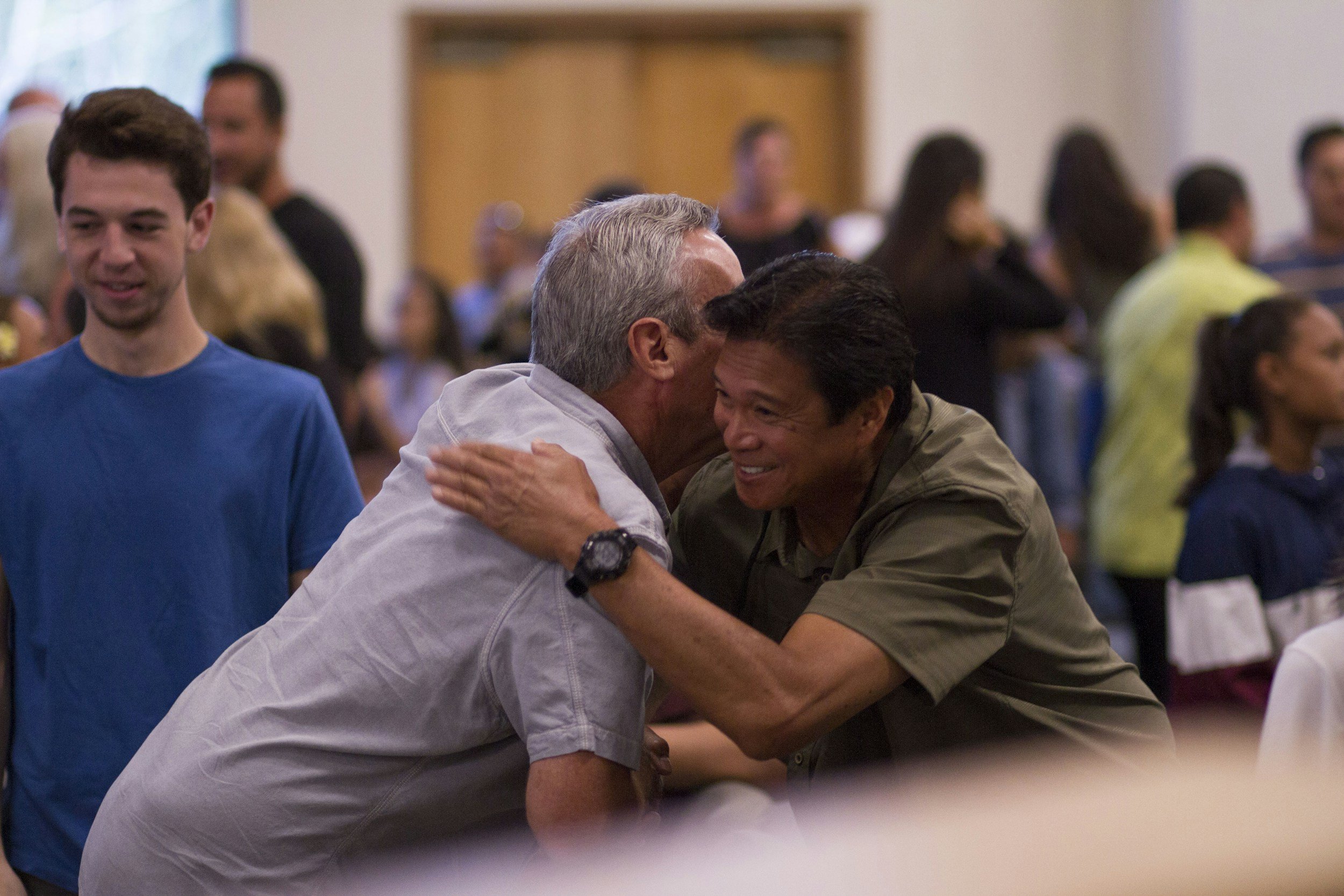
The ECN School of Ministry is designed for:
Pastors navigating burnout or ministry fatigue
Church leaders building healthier systems
Emerging leaders seeking theological depth
Ministry teams rethinking discipleship
Leaders trying to understand cultural and generational shifts
Churches wanting sustainable pathways for growth and formation
Pastors who feel isolated and need meaningful community
We believe healthy ministry requires more than theological knowledge alone. Leaders need spiritual formation, leadership health, operational wisdom, discipleship frameworks, and a community of people walking the same road.
This is not a one-size-fits-all ministry model.
It is a framework designed to help leaders faithfully navigate the realities of modern ministry while remaining rooted in Scripture, discipleship, and the mission of God.
School of Ministry FAQs
-
The ECN School of Ministry is a hybrid ministry formation experience that combines online learning, in-person workshops, practical ministry tools, and leadership community to help pastors and leaders build healthy, sustainable ministries.
-
The Core is the online foundation of the School of Ministry. It includes 20+ hours of teaching across theology, discipleship, leadership, preaching, spiritual formation, and missions from ECN faculty.
-
No. While some participants are pastors, the School of Ministry is designed for anyone serving in ministry leadership, discipleship, church staff, nonprofit leadership, or church planting environments.
-
The ECN School of Ministry is not an accredited seminary program.
For many pastors and ministry leaders, traditional seminary education can feel financially, geographically, or seasonally out of reach. Between the cost, time commitment, relocation requirements, and realities of ministry and family life, many leaders simply need accessible spiritual training and leadership development now, not someday.
The ECN School of Ministry was created to provide a deeply rooted, theologically grounded, and highly practical alternative for leaders actively serving in ministry today.
Our focus is helping leaders grow in theology, discipleship, spiritual formation, preaching, leadership health, and sustainable ministry practice in a format that integrates into real life and real ministry contexts.
-
Tuition includes:
Full access to The Core online course
One in-person workshop
A digital copy of Preaching in a Post-Truth World
Access to alumni resources and future updates
-
Most of the coursework is done online. Our four in-person workshops each year are held in the Nashville, Tennessee area.
-
You can complete The Core online course first and attend your included workshop later based on available workshop dates.
-
Many ministry programs focus primarily on information transfer or leadership theory.
ECN is built around sustainable discipleship, spiritual formation, practical ministry systems, leadership health, and community. The goal is not simply to help leaders know more, but to help them lead faithfully and sustainably over the long haul.
-
Yes. The Core online curriculum is self-paced so leaders can move through the material alongside the realities of ministry and life.
-
What topics are covered?
Topics include:
Theology
Hermeneutics
Spiritual formation
Leadership health
Discipleship
Missions
Preaching
Ministry systems
Cultural engagement
Community demographics
Sustainable church leadershipItem description
-
Yes. The ECN School of Ministry includes a growing ecosystem of ministry resources, tools, workshops, and leadership development materials that will continue expanding over time.
-
Both. Many leaders go through the School of Ministry individually, while others bring staff teams, elders, or leadership cohorts through the experience together.
School of Ministry Faculty
-
![]()
-
![]()
Michael Easley
Author and Founder of Michael Easley InContext Former President of Moody Bible Institute
-
![]()
Darrell Gwaltney
Director of Moench Center for Church Leadership Former Dean, College of Theology & Christian Ministry at Belmont
-
![Matt Pearson]()
Matt Pearson
Campus and Teaching Pastor
-
![]()
Darren Tyler
Lead Pastor at Conduit ChurchCampus and Teaching Pastor
-
![]()
Mike Glenn
Founder of ECN
-
![]()
Scott Harris
Discipleship and Administration Pastor, Nashville First Baptist Chuch