

Essays & Notes

Going to Meetings
The author admits that a friend in AA is more committed to his sobriety than the author is to following Jesus, because the friend goes to meetings constantly, reads the “Big Book” every day and helps newcomers along. The friend says AA “does church better than the church does,” since anyone can walk in, no one is judged, people share a common framework and mentor each other, all because addicts know they can’t make it on their own. The author challenges Christians to bring that same humility, daily self-examination and commitment to one another into the church, hoping one day to tell his friend, “Come to our church. We do AA better than you do.”
Being Ordained Again and Again
Mike Glenn explains why congregational trust, not a seminary degree or title, is what truly “ordains” a pastor or leader to minister within a church.

Why Can’t We Find Pastors…or Anyone Else? (Copy)
Every church Mike Glenn talks to has the same complaint: not enough volunteers. He argues the real issue isn’t apathy, it’s two unasked questions. First, do fifty-year-old ministry models still fit how people actually live now? And second, harder still, if something is always more important than serving the church, are the people saying that actually following Christ? He doesn’t offer easy answers, just the honesty he thinks the moment requires.

Why Can’t We Find Pastors…or Anyone Else?
Words matter, and we often reach for the wrong one. Mike Glenn uses two commonly confused word pairs (anxious versus eager, easy versus simple) to make a pastoral point: the gospel is simple enough for a child to grasp, but living it out is anything but easy. Drawing on a personal story about teaching his son the dictionary and a line from his old seminary professor, Mike reframes discipleship as a daily, costly pursuit rather than a quick fix.

Simple, But Not Easy
Words matter, and we often reach for the wrong one. Mike Glenn uses two commonly confused word pairs (anxious versus eager, easy versus simple) to make a pastoral point: the gospel is simple enough for a child to grasp, but living it out is anything but easy. Drawing on a personal story about teaching his son the dictionary and a line from his old seminary professor, Mike reframes discipleship as a daily, costly pursuit rather than a quick fix.

Getting Started
Mike Glenn argues that the Christian life begins not with guilt or an obligation to repay Jesus, but with receiving His love as a gift. As Christ’s love fills our lives, generosity, service, and obedience become a natural overflow. Faith begins in knowing we are already loved and allowing that love to flow through us to others.

Redefining Success
Mike Glenn challenges churches to rethink how they measure success. Rather than focusing on buildings, budgets, and attendance, he argues that the church’s mission is to make disciples who can lead and disciple others. True success isn’t about how many people attend, but how many people are equipped to carry the mission forward.

The Coming Tsunami
Mike Glenn explores the major changes coming to the North American church, from declining attendance and shifting giving habits to the growing importance of small groups and local ministry. While traditional church structures may change, the opportunity for the gospel remains as strong as ever.

Things Not to Pray For
This essay explores how God often answers prayers for spiritual growth by giving us opportunities to practice what we’ve asked for. Mike Glenn explains that Jesus doesn’t remove us from difficult situations, but leads us through them so we can grow without fear. Praying for strength brings heavier burdens, patience requires waiting, and becoming more loving means encountering people who are difficult to love. Qualities like holiness, grace, mercy, and faithfulness aren’t simply given to us. They are developed through obedience and experience. God is eager to answer these prayers, but we should be prepared for what those answers might require.

We Have to Start Somewhere
This essay argues that God doesn’t wait for perfect circumstances or perfectly prepared people to begin His work. Mike Glenn points throughout Scripture to a God who is always starting something new, often with ordinary people in ordinary places. While we tend to delay until we feel ready, Jesus simply asks for permission to begin. Spiritual transformation starts where we are, then spreads outward through families, churches, workplaces, and communities. The important thing isn’t how prepared we are, but how faithful God is with whatever we give Him. He’ll start with who we are and where we are, and He promises to finish what He begins.

Never Give Up
After you’ve been married for a few years, other people begin to think you're an expert on marriage. Now that we’ve been married for forty-six years, people keep asking Jeannie and me about the secret to a lasting marriage. Once when we were sitting with a group of newly married young adults, one of the wives turned to Jeannie and said, “How have you and Mike managed to stay together all these years?”

First Steps
This essay argues that meaningful spiritual growth begins with small, faithful steps rather than dramatic experiences. Using examples from The Karate Kid and the story of Naaman, Mike Glenn explains that people often dismiss simple practices because they seem too ordinary to produce lasting change. Yet the habits of prayer, Bible reading, and daily obedience are how faith is formed over time. God builds trust and maturity through consistent faithfulness in the small things, preparing us for greater responsibilities. The path to a deeper life with Christ doesn't begin with extraordinary moments, but with taking the next faithful step where we are.

How Was the Sermon?
This essay reflects on the mystery of preaching and what makes a sermon truly effective. Mike Glenn observes that polished sermons don't always change lives, while simple messages delivered out of personal hardship sometimes have a profound impact. He concludes that sermons must be lived before they are preached, because people are ultimately convinced by truth embodied in a person's life, not merely explained from a pulpit. A pastor's responsibility is to prepare faithfully, show up, and offer what they have, trusting Jesus to accomplish the real work. Like the boy who brought his small lunch to Jesus, the preacher simply brings what they have and lets Christ multiply it.

Criticisms and Choices
Whatever you’ve heard about pastors being criticized, you haven’t heard the half of it. I’ve been criticized for wearing a tie when I preached and not wearing a tie. I was told I preached too long and then told I didn’t preach long enough.

When You Know Your Name
This essay explores the idea that our true identity is something we receive, not something we create. Using stories about his mother insisting on his given name and the deaf community assigning "sign names," Mike Glenn argues that names and identities are bestowed by others. In the same way, salvation is more than forgiveness. It is Christ giving us a new identity and purpose. Throughout Scripture, encounters with God are often marked by a new name, symbolizing a transformed life. Glenn warns that when people seek identity from culture, careers, or the expectations of others, they remain uncertain and restless. Lasting confidence comes only from knowing who Christ says we are and living from that God-given identity.

For the Pastor Who Follows Me
This essay reflects Mike Glenn's vision for the future of the church after his retirement. He argues that the era of the megachurch is fading, giving way to smaller, community-centered churches that serve neighborhoods throughout the week. Future ministry will depend more on bivocational staff, volunteers, and leaders who equip others for ministry rather than doing it themselves. As trust in institutions declines and trauma becomes more common, churches must earn credibility through tangible love and service. Glenn believes these cultural shifts make the gospel more necessary than ever, calling pastors to proclaim Christ with clarity, compassion, and hope in a world desperate for healing.

Old Ways to Do New Things
This essay argues that every generation faces unique challenges in sharing the gospel, so today's cultural obstacles are not unprecedented. Mike Glenn points to the early church as a model, highlighting three practices that fueled its growth: generous hospitality, deep knowledge of Jesus and Scripture, and lives that visibly reflected Christ's transforming power. Rather than relying on programs or techniques, the church grew through authentic relationships, thoughtful conversations, and compelling personal testimonies. Glenn concludes that effective evangelism still begins with opening our homes, knowing Jesus well, and living lives that make others curious about Him.

Practice, Practice, Practice
This essay argues that spiritual growth follows the same principle as mastering any skill: it requires consistent practice. Mike Glenn compares discipleship to learning music, sports, or art, where excellence comes only through repetition and discipline. In the same way, prayer, Bible study, forgiveness, love, and grace do not come naturally. They must be practiced until they become second nature. Following Jesus isn't effortless. It is a lifelong process of intentionally training our hearts and minds until Christ's character is reflected in the way we naturally live.

Invested in Forever
This essay reframes money through the lens of stewardship. Mike Glenn argues that financial anxiety comes from believing our possessions belong to us, when Scripture teaches that everything belongs to God and we are simply entrusted to manage His resources. Because our spending reveals our priorities, our budgets expose where our hearts truly are. Rather than focusing on accumulating wealth, Christians are called to use what God has entrusted to them to advance His kingdom through generosity and service. Stewardship shifts the conversation beyond tithing to a life where every resource is viewed as an opportunity to invest in what has eternal value, replacing fear with purpose.
Is the Revival Real?
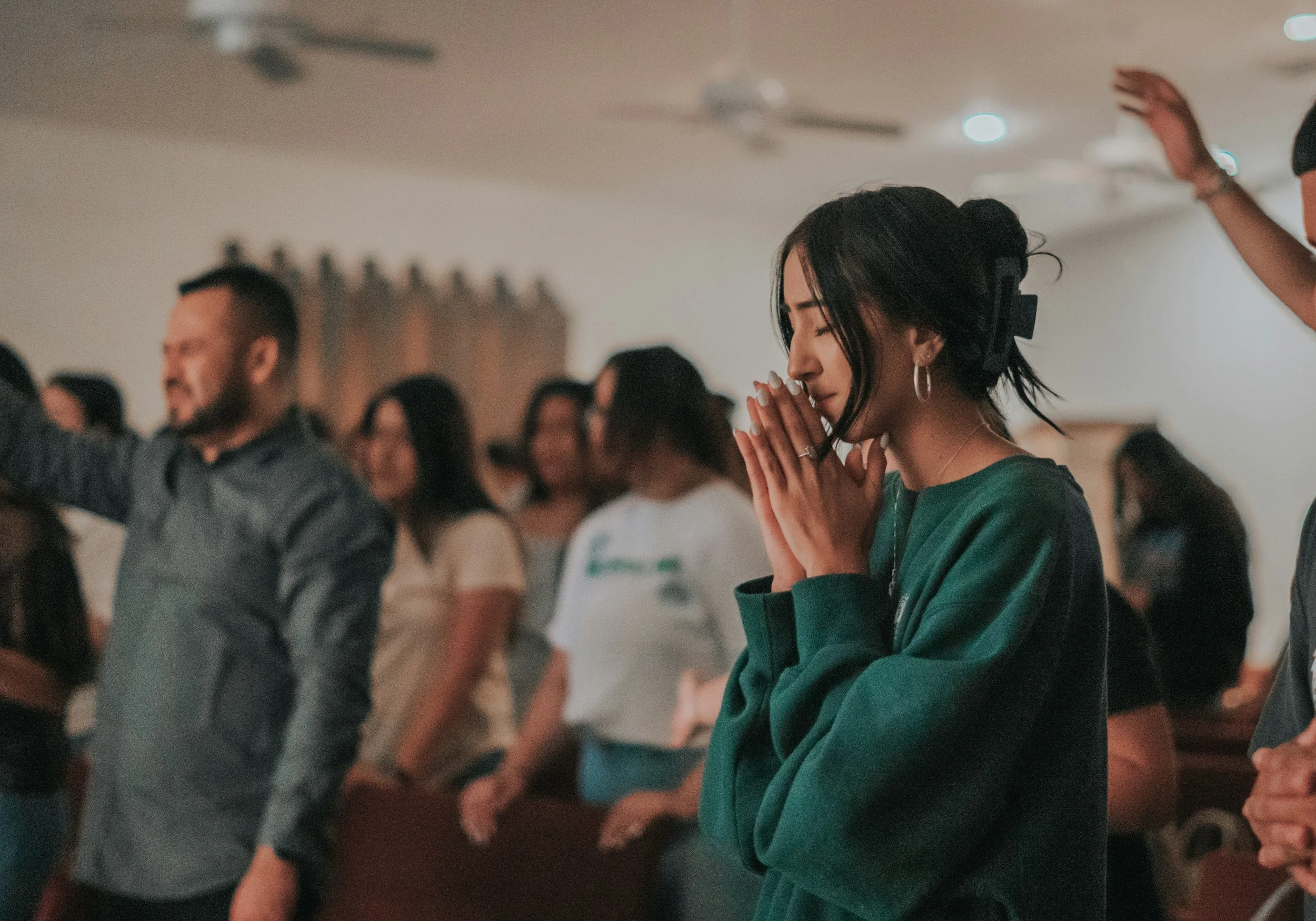
This essay reflects on the Asbury revival with hopeful caution. Rather than declaring it unquestionably genuine or dismissing it, Mike Glenn argues that the true test of revival is not emotional worship or extended services, but lasting transformation. Real revival produces obedience, deeper love for others, stronger families, care for the vulnerable, and lives that increasingly reflect Christ. He warns against mistaking powerful emotional experiences for genuine spiritual renewal, emphasizing that the fruit of revival is seen over time. The seeds may have been planted at Asbury, but only the coming harvest will reveal whether it was a lasting work of God.