

Essays & Notes
Retirement
Mike Glenn explains that stepping down as pastor is a natural transition—both he and the church are entering new seasons that require different priorities and leadership. As he shifts focus toward family and mentoring pastors locally, he leaves confident the church is ready for what’s next and that his calling is simply changing, not ending.
Sanctuary
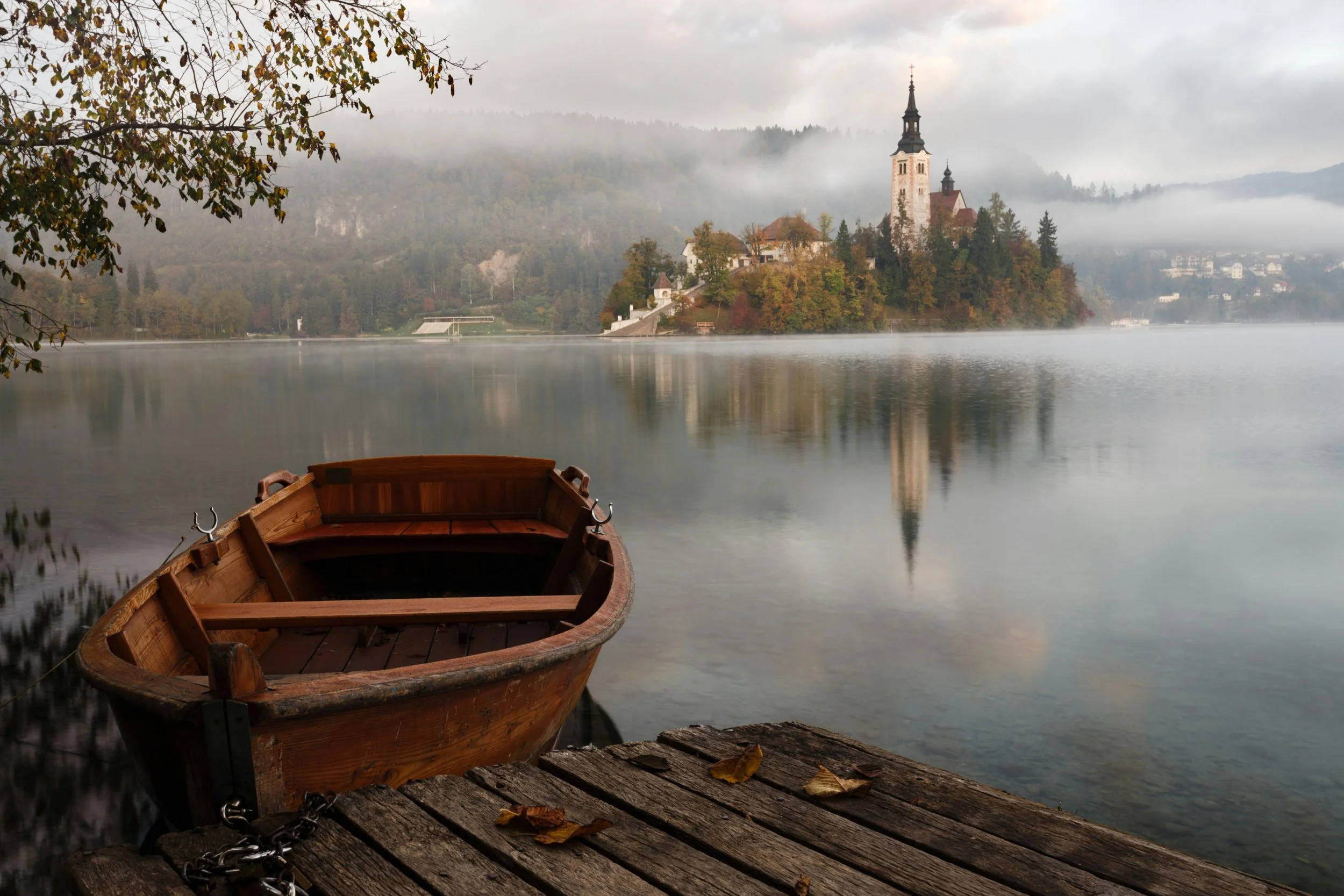
Mike Glenn reflects on how the idea of “sanctuary” has shifted—from a physical safe place to something much harder to find in today’s hyper-connected, mistrust-filled world. With privacy eroding and authenticity fading, people are longing for somewhere they can truly be known and safe. His challenge is simple but powerful: Christians themselves are meant to be that sanctuary—creating spaces where others are protected, heard, and loved with honesty and grace.
Get 'er Done!
Mike Glenn uses the idea of “get ’er done” to show that real ministry isn’t built on perfect plans, but on people who step up and make things happen. The most impactful parts of the church come from everyday individuals who feel called to serve, not from strategy alone. His point is simple: the church works because people show up and do the work.

For the Pastor Who Follows Me
After more than three decades leading Brentwood Baptist Church, Mike Glenn explains his decision to step down not as burnout, but as clarity—he knows it’s time to make space for what’s next. He believes the church is entering a new era where megachurch models fade and smaller, community-centered expressions take their place, with ministry happening daily in neighborhoods rather than primarily on Sundays. Leadership will shift from doing the work to multiplying leaders, and trust—especially with younger generations—must be earned through visible, meaningful impact. At the same time, people are carrying deeper personal wounds than ever, making the need for the gospel more urgent and more powerful. Glenn’s message is both a warning and a charge: the structure of church may be changing, but its mission is not—and in a world hungry for hope, the church must rise to meet it with clarity, courage, and renewed purpose.

Tell Me a Better Story
After a cardiologist tells Mike Glenn to lose weight, he realizes the problem isn’t lack of knowledge—he already knew what to do, just like most people do. What finally moves him to change isn’t more information, but a compelling reason: the desire to be present at his granddaughter’s future wedding. That vision reshapes his choices in the present. From there, Glenn draws a larger point about faith and leadership—people aren’t transformed by facts alone, no matter how true or well-presented, but by stories that pull them into a different future. Just as his wife gave him a reason to change, the gospel offers the ultimate story—one that invites people into renewal, purpose, and belonging. In a world overflowing with information, what people truly need is a story worth living into.

Fighting the Last War
Mike Glenn compares church leadership to generals stuck fighting the last war—relying on outdated strategies while the world rapidly changes around them. He argues that many churches, especially those chasing megachurch models, are building based on what worked years ago, even as culture shifts toward smaller, more personal, and community-driven experiences. Younger generations aren’t drawn to large institutions or polished productions—they’re searching for authenticity, belonging, and real relationships. As a result, the future of the church won’t be found in bigger stages or better strategies, but in smaller, relational communities where faith is lived out daily. Glenn’s vision is clear: pastors must shift from leading crowds to developing people, as the church returns to its roots—gathering in homes, forming deep connections, and living as missionaries in their own communities.

My Mom was a Praying Woman…But not Like You Think
Mike Glenn reflects on the story of the wedding at Cana to illustrate a deeper, more personal lesson about faith—one shaped by his mother’s fierce, unfiltered trust in God. Like Mary, his mom believed that when you bring a need to Jesus, you expect Him to act. She lived with a simple but demanding philosophy: do your part, trust God with the rest, and don’t waste time blaming others. Her prayers weren’t polished or passive—they were bold, honest, and deeply relational, the kind that sounded more like a conversation than a ritual. Even in moments of fear, like when his father’s life was at risk, she didn’t hesitate to ask God directly for what she wanted, trusting Him completely with the outcome. Through her life, Glenn learned that real faith isn’t quiet or distant—it’s active, persistent, and grounded in a trust that keeps fighting and praying at the same time.

It’s Worse Than We Think, But That’s OK
When people ask Mike Glenn if he misses leading a church, he answers honestly: he doesn’t—at least not the grind of it—and stepping away revealed something even more sobering. The church, in many places, is struggling more than we admit: few are truly healthy, many lack clarity in mission, and growth often comes from shifting attendees rather than new believers. Yet beneath that realism is a steady hope. Glenn sees that while institutional structures may be weakening, the core of the gospel is not. Around the world—and increasingly in everyday spaces like homes, conversations, and small gatherings—faith is still spreading in simple, personal ways. His conclusion carries both warning and promise: the old forms may be fading, but Jesus is still at work, constantly renewing His church, often in quieter, humbler places where real transformation begins.

Ruining the Christmas Story
Every Christmas, Mike Glenn finds himself gently undoing the version of the story people grew up with—no drummer boy, no innkeeper, no tidy manger scene with everyone arriving at once. The reality is quieter, less polished, and far more powerful. The wise men came later, the setting was likely humbler than imagined, and many of the details we cherish were added over time. But instead of diminishing the story, stripping it down reveals its true weight: God stepping into the world not with spectacle, but in vulnerability, through ordinary people in an overlooked place. Glenn’s point isn’t to take away wonder, but to redirect it—the story doesn’t need embellishment to be meaningful. It’s already the greatest story ever told, just as it is, and it still has the power to change lives if we simply tell it and believe it again.

When Church Becomes the Audience
In Nashville, where talent fills every stage, Mike Glenn finds his value not as a performer but as an attentive, humble audience member—and that lens shapes how he sees the modern church. As he visits congregations, he notices a shift: worship and preaching increasingly feel designed for spectators rather than participants. Songs are performed more than led, sermons crafted into bite-sized clips instead of meaningful journeys, and leaders subtly chase attention over transformation. What once centered on guiding a congregation into genuine encounter now risks becoming a performance aimed at approval. His conviction is clear: the church was never meant to create an audience, but to form a people actively engaged in worship, growth, and testimony.
When I took the Flags Out of the Sanctuary
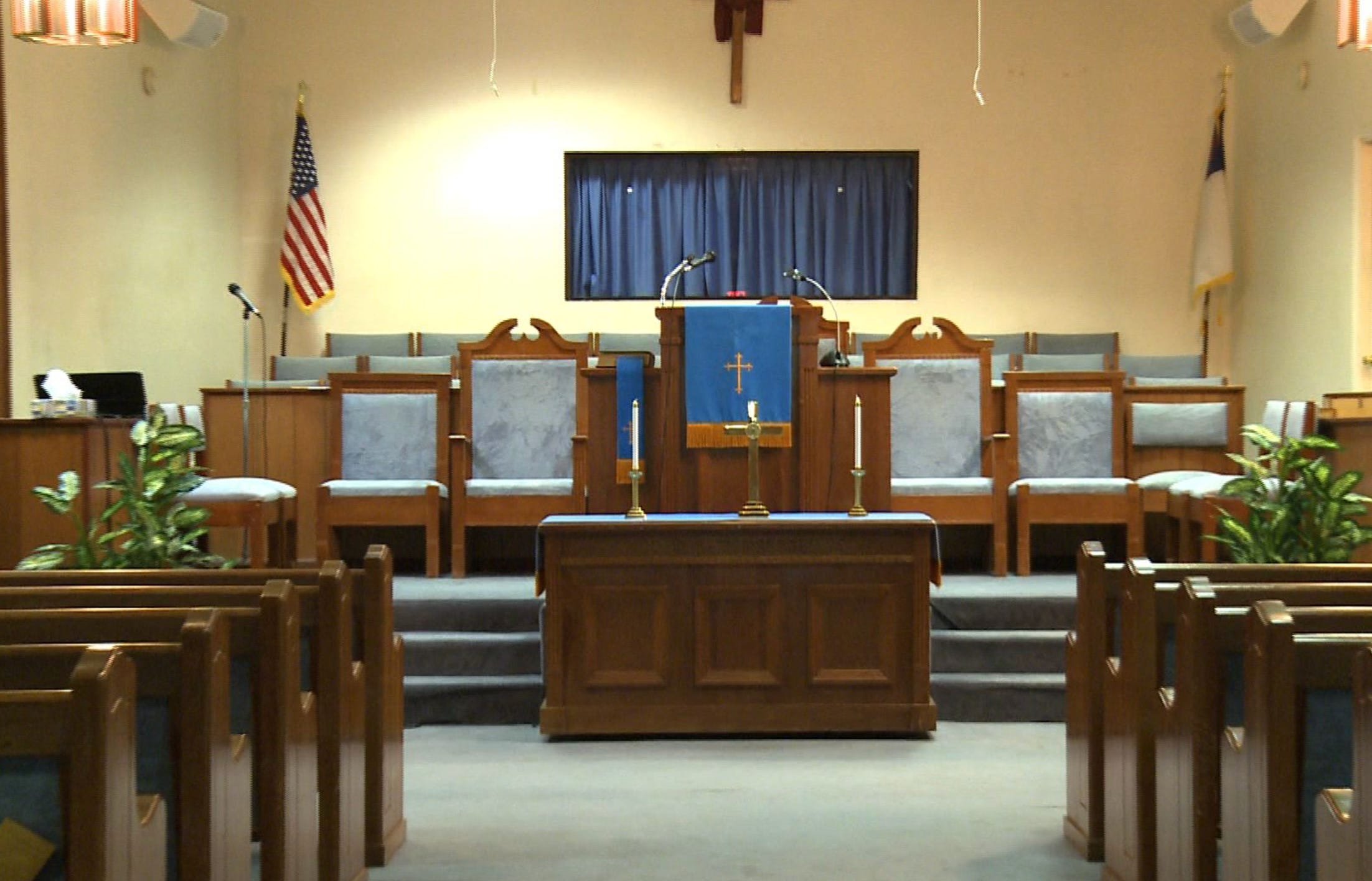
Early in ministry, you imagine your faith will be tested in dramatic, life-or-death ways. But for Mike Glenn, the real test came in something far quieter—and far more controversial. He chose to remove the American and Christian flags from the sanctuary, not out of a lack of patriotism, but out of a conviction that the church’s message should never be confused with national identity. In a room filled with people from many nations, a single flag sent the wrong signal. And over time, he came to see how closely tying the church to politics had blurred its purpose altogether. His conclusion was simple but costly: anything that competes with the clarity of the gospel, even something familiar or respected, has to go.

Our Jesus is a patient and persistent teacher
When you’re 69 years old, you think more about death than you want to. You really can’t help it. For one thing, the time when you see all of your friends is when you’re attending the funeral of another friend. A lot of these friends whose funeral we’re attending are younger than I am. That will make you think. When you preside over the funeral of a friend who died when they were 65 years old and you think, “I remember when I was 65.”

Mission Impossible
If you’re as old as I am then you will know there was a television series called “Mission Impossible” before there were movies by that same name. If you’re old enough to know that, you’ll also remember the unforgettable beginning of each episode of “Mission Impossible.” The scene began with a picture of a burning fuse underscored by intense, driving music. The agent would place a small cassette tape in a player and the mission would be outlined. The agents would look through the mission information delivered in a manila envelope. Once the tape had been played, the tape would then self-destruct in a hissing puff of smoke. The agents would then have to decide to take the mission. They always did. The show would have been embarrassingly short if the agent had turned down the mission.

BYOW
I grew up in Alabama during the sixties and seventies. During that time, there were several counties in our state that were “dry counties.” That is, alcohol couldn’t be sold in those counties. Every few years, the pulpits of our local churches would be lit up by pastors booming their condemnation of an upcoming “liquor vote” telling everyone in the church to vote against turning their dry county into a “wet county.” These sermons were kind of like eclipses of the sun. They happened every few years and didn’t last all that long.

Rights and Responsibilities
Several years ago, a friend of mine was experiencing trouble in his marriage. From all the signs we could see, his marriage was headed for a divorce. In a last ditch effort to try to keep this from happening, I asked him if he would be willing to meet with me and a few other men. He agreed and I called together a few of the most mature and seasoned leaders of our church. We began by praying together and asking him about how he saw his marriage and what opportunities he saw for reconciliation.

The Missing Piece of Discipleship
Some things are only learned by doing. We can go to a workshop on changing a tire. We can watch a video on how to do it, but until we’ve heard that life draining “thump-thump” telling us we have a flat tire, we may never learn how to change a tire. The process of finding the tire tool, pulling the spare out of the trunk, loosening the lug nuts and switching the tires out is a life changing moment. We all know there are things about changing tires that can’t be known until we change a tire. If we’re going to learn how to change a tire we have to actually change a tire.

If The New Year Is Going To Be Different
There is something almost mystical about unwrapping a new calendar for the coming year. All of those blank squares spread out across monthly page after monthly page make our hearts swell with dreams of all that could be possible in the coming year. Maybe this will be the year we’ll finally write our novel. Maybe this will be the year we finally get into great shape and run a marathon.

Don’t Lose The Child
Poor Joseph. Could anyone have been more uncomfortable at the manger scene than him? First of all, his wife is giving birth to a child in a stable. Now, we can argue about whether or not it was a wooden barn or a cave, but does it make any difference for our discussion? Neither is a great place to give birth to a child, much less the Son of God. What’s more, the child being born isn’t his, but he’s still responsible. The child being born for all practical purposes is still his. The poor guy was caught between the proverbial rock and hard place.

The Ultimate Bucket List
These days, everyone has a bucket list – a list of things they want to have done or seen before they die. Ask your friends and you’ll find out everyone has some kind of bucket list. They may not have written it down, but everyone has given it some thought. Some people want to jump out of airplanes. Other people want to climb mountains and everyone it seems wants to write a novel. Some of the wishes are large - climb Mt Everest - and others are more intimate – get through these treatments and walk my daughter down the aisle at her wedding. Yet, as varied and interesting as these lists are, no one has come close to the bucket list of a man called Simeon in Luke’s gospel.

It All Begins With Gratitude
Rob is a long time friend of mine. He’s also in recovery. The wisdom he has gained from his own journey and from spending time with so many others in the recovery community means we always have a conversation that pays off for the time invested. The other day, Rob and I were talking and I commended him for being thirty-five plus years sober. He corrected me. “I’ve been sober for about thirty minutes,” he said, “and I’m grateful for our conversation that has allowed me to remain sober for these thirty minutes.”