

Essays & Notes
The Local Church and Racial Reconciliation
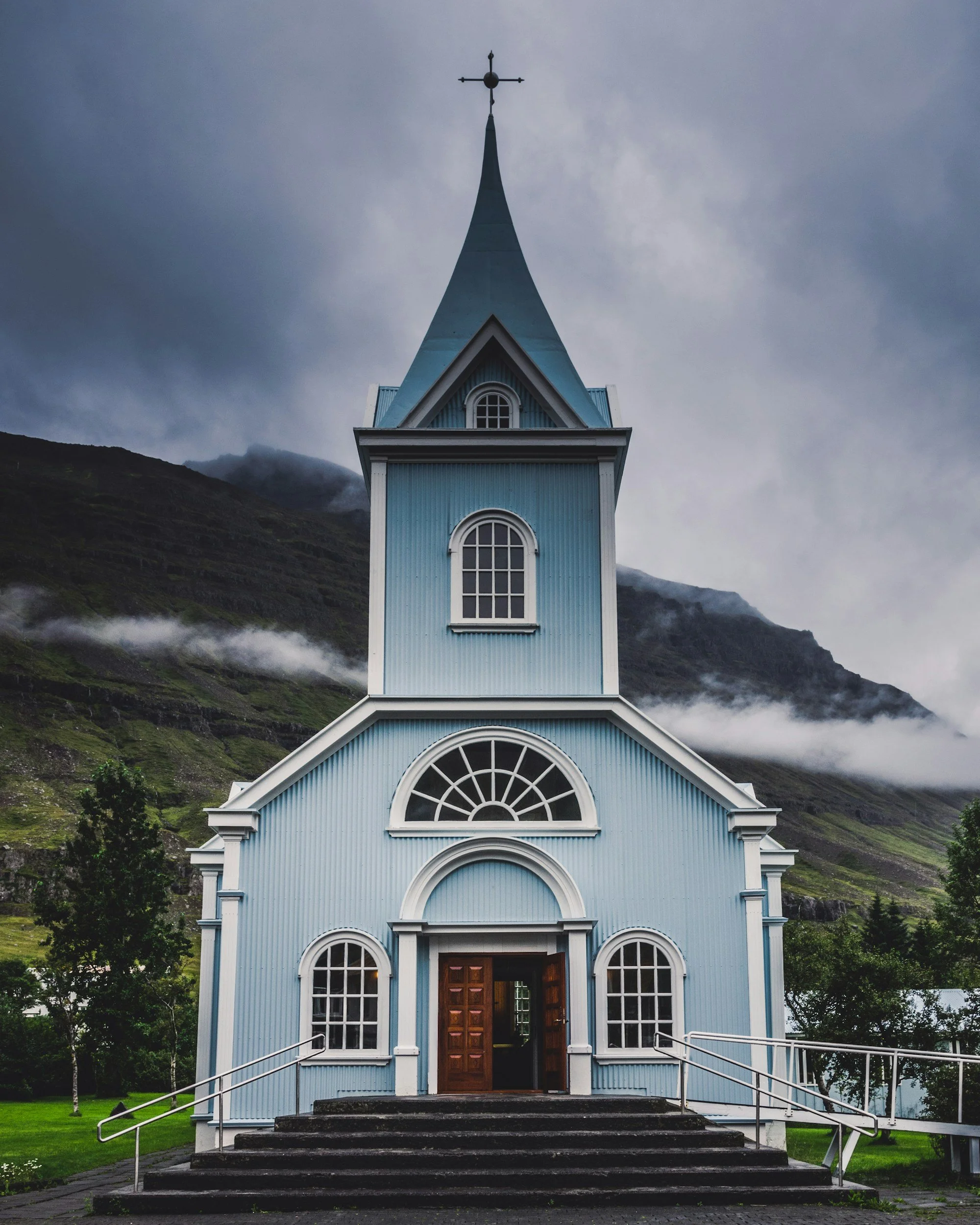
Mike Glenn argues that Black History Month offers the church an opportunity to remember its own role in the Civil Rights Movement. He emphasizes that leaders like Martin Luther King Jr. and Ralph Abernathy were pastors, the movement was organized through local churches, and its message was rooted in the biblical themes of justice, dignity, reconciliation, and love. Rather than viewing racial reconciliation as a political issue, Mike presents it as a gospel issue flowing from the belief that every person bears God's image and possesses inherent worth. Because laws alone cannot transform hearts, he contends that the church has a unique responsibility to model and proclaim the reconciliation that Christ accomplished, making unity across racial and cultural lines a central expression of the gospel.

Taking Jesus Seriously
Mike Glenn reflects on the weight of Jesus' teachings and the meaning of the cross, arguing that Christians often soften or negotiate Christ's commands because they underestimate the seriousness of sin. Easter confronts that illusion. The cross reveals that humanity's brokenness could not be repaired through effort or apology. Only Jesus could bridge the separation between God and humanity by taking sin upon Himself. In response, believers are called to stop minimizing their lives and begin taking Christ as seriously as He takes them. As we fix our attention on Jesus rather than our temptations, our desires begin to change, and we discover that true life is found by following the One who gave His life for us.

Easter Everyday
Mike Glenn explains that the resurrection is far more than a doctrine to celebrate once a year. It is the reason Christians can face impossible situations with hope every day. Without Easter, broken marriages, addiction, depression, and humanity's deepest failures would remain beyond repair. But because Christ conquered death, no circumstance is beyond God's power to redeem. The resurrection transforms every hopeless "it's over" into a hopeful "but God." Easter is the assurance that what is impossible for people is always possible with God, making resurrection not just a past event, but a present reality available to everyone who trusts in Christ.

Easter Anyway
Reflecting on preaching his first Easter since stepping away from the pulpit, Mike Glenn observes that the resurrection story doesn't require cleverness or a fresh angle to remain powerful. For decades he felt the pressure to make Easter new, only to realize the message has always been complete on its own. The first Easter had no preacher, only an empty tomb and a rolled away stone proclaiming that Christ had risen. Whether anyone preaches it or not, the resurrection remains God's decisive victory over sin, death, and darkness. Easter's power has never depended on our words. It rests entirely in the risen Christ, who is still alive and still waiting for us on the road ahead.

Right-Sizing the Church
Mike Glenn argues that the trends reshaping business, the military, and society are also reshaping the church. Rather than relying on large buildings and centralized ministries, the future belongs to smaller, neighborhood-based churches that prioritize meaningful relationships and active mission. COVID accelerated this shift by revealing people's deep need for worship, authentic community, and opportunities to serve locally. Successful churches will focus less on impressive facilities and more on discipleship, local engagement, and empowering everyday believers. The future of the church isn't bigger. It's more connected, more personal, and more focused on the mission of Jesus.

What I Learned about Church Going to the Gym
Mike Glenn compares going to the gym with following Christ, arguing that both require more than simply signing up or showing up. Real growth comes through consistent participation, effort, failure, discomfort, and perseverance. Just as physical strength is built by repeatedly pushing past your limits, spiritual maturity is formed by trusting God beyond your own abilities, confronting painful areas of your life, and returning day after day. Discipleship, like fitness, is not about good intentions or attendance. It's about faithfully doing the work over time until following Christ becomes the rhythm of your life.

Love at Every Sight
Mike Glenn reflects on his 46-year marriage to Jeannie, sharing that love is not a single moment but a daily choice to cherish, serve, and rediscover one another. Through stories from different seasons of their marriage, including raising twin sons and caring for aging parents, he argues that lasting marriages require mutual sacrifice rather than equal effort. Some days one spouse carries more than the other, but both remain fully committed to the relationship. Looking back with gratitude and forward with hope, Mike celebrates marriage as a sacred trust from God and encourages couples to keep choosing each other, one day at a time.

The Cycle Breaker
Mike Glenn reflects on the legacy of his father, "Big John," and the sacrifices that transformed his family's future. Through a pilgrimage with his own sons to the places where his father grew up in rural Mississippi, Mike illustrates how one man's hard work, faith, generosity, and determination broke generations of poverty and created opportunities for those who followed. More than recounting family history, the story honors the quiet influence of a father whose love was expressed through sacrifice, storytelling, and steadfast devotion to his family. Mike closes with gratitude for the privilege of being Big John's son and a heartfelt hope that he has honored his father's legacy.
Never Waste Your Wilderness
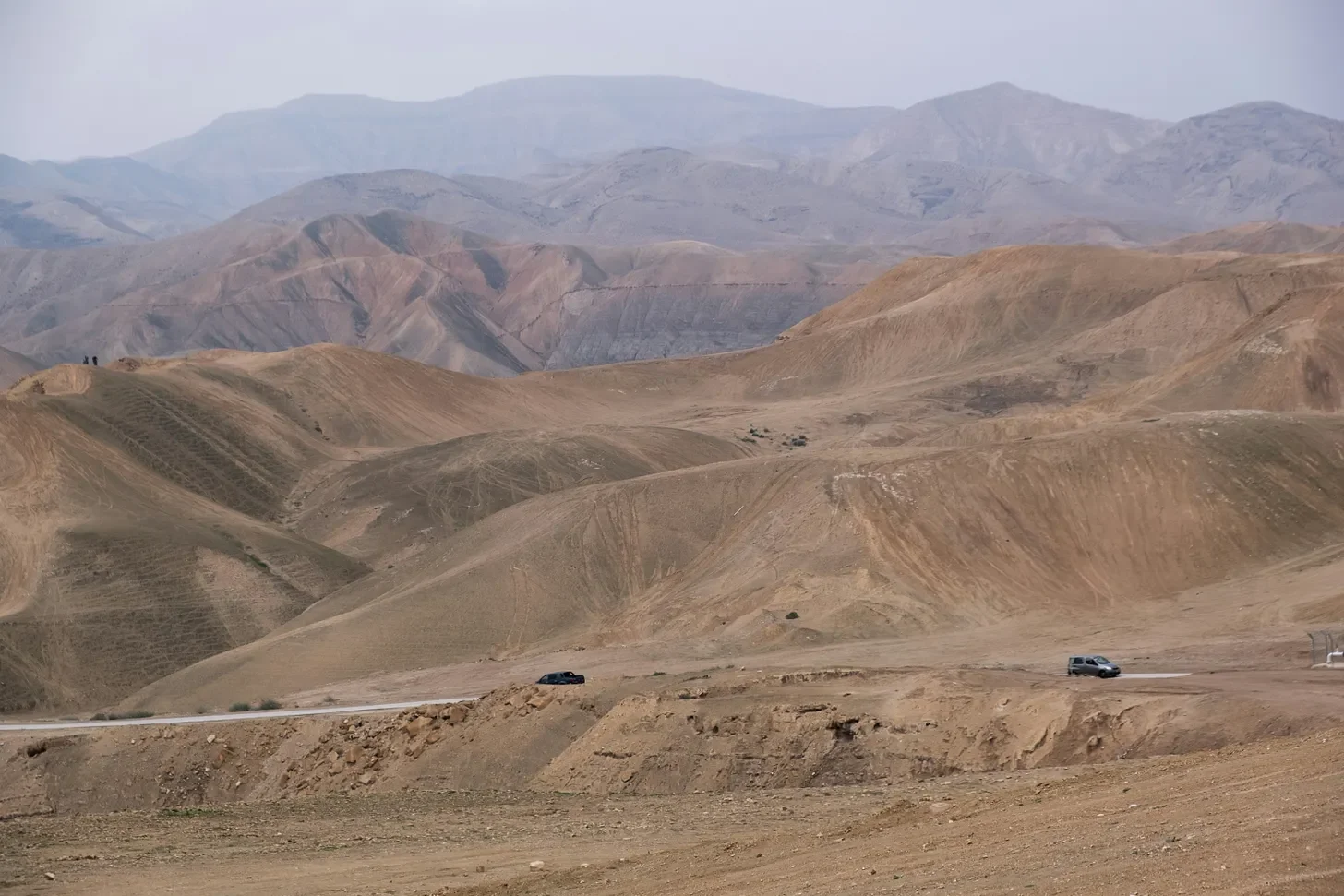
Mike Glenn explores the biblical pattern that nearly every person God uses first passes through a season of wilderness. From Abraham and Moses to Jesus and Paul, the wilderness becomes a place where distractions are stripped away and God reshapes His people through silence, solitude, and dependence. Rather than seeing these seasons as setbacks, Mike encourages believers to recognize them as invitations from God to listen more deeply, heal, and receive fresh direction. The wilderness is never wasted, he argues, because no one leaves it the same person who entered.

The Bill of (Rights and) Obligations
Reflecting on conversations with his sons and the celebration of Independence Day, Mike Glenn argues that true freedom can never be separated from responsibility. Just as maturity requires accepting the consequences of our choices, liberty demands active stewardship of our communities, relationships, and nation. He points out that while many demand more freedom, few ask for more accountability. Connecting this to the gospel, Mike reminds readers that Christ used His freedom to bear the burdens of others, inviting His followers to do the same. Real freedom, he concludes, is found not in avoiding responsibility, but in embracing it through love and service.

Slow Reading
Mike Glenn reflects on slowing down, rediscovering Scripture, and resisting the culture of constant productivity. Drawing from Cal Newport’s ideas on deep work, he encourages believers to approach the Bible with patience, attention, and presence. Rather than rushing to “get something” from the text, readers are invited to linger, journal, listen, and live out one truth at a time.

The Woman Who Raised Me
In this deeply personal Mother's Day reflection, Mike Glenn remembers his mother, a fiercely strong woman whose life was shaped by hardship, responsibility, and unwavering faith. From raising her sisters after losing her mother at age twelve to facing Alzheimer's with her trademark wit, she taught Mike resilience, courage, and how to pray with bold confidence. He credits her influence for preparing him to lead churches and navigate difficult people, but her greatest lesson was her unshakable belief that Jesus could do anything. Through stories both humorous and moving, Mike honors the woman who shaped his life and whose faith remained alive even when nearly everything else had been taken away.

Churches are a lot like Restaurants
Using Nashville's booming restaurant scene as a backdrop, Mike Glenn compares churches to restaurants and challenges leaders to think about the experience they're offering. Just as restaurants succeed by serving quality food and creating welcoming environments, churches must provide meaningful teaching, genuine community, and clear value for those who attend. Mike argues that while the gospel never changes, methods must adapt to meet the needs of changing communities. Churches that understand who they are, serve people well, and make guests feel valued are far more likely to thrive and make a lasting impact.
The Need for Broken Hearted Pastors
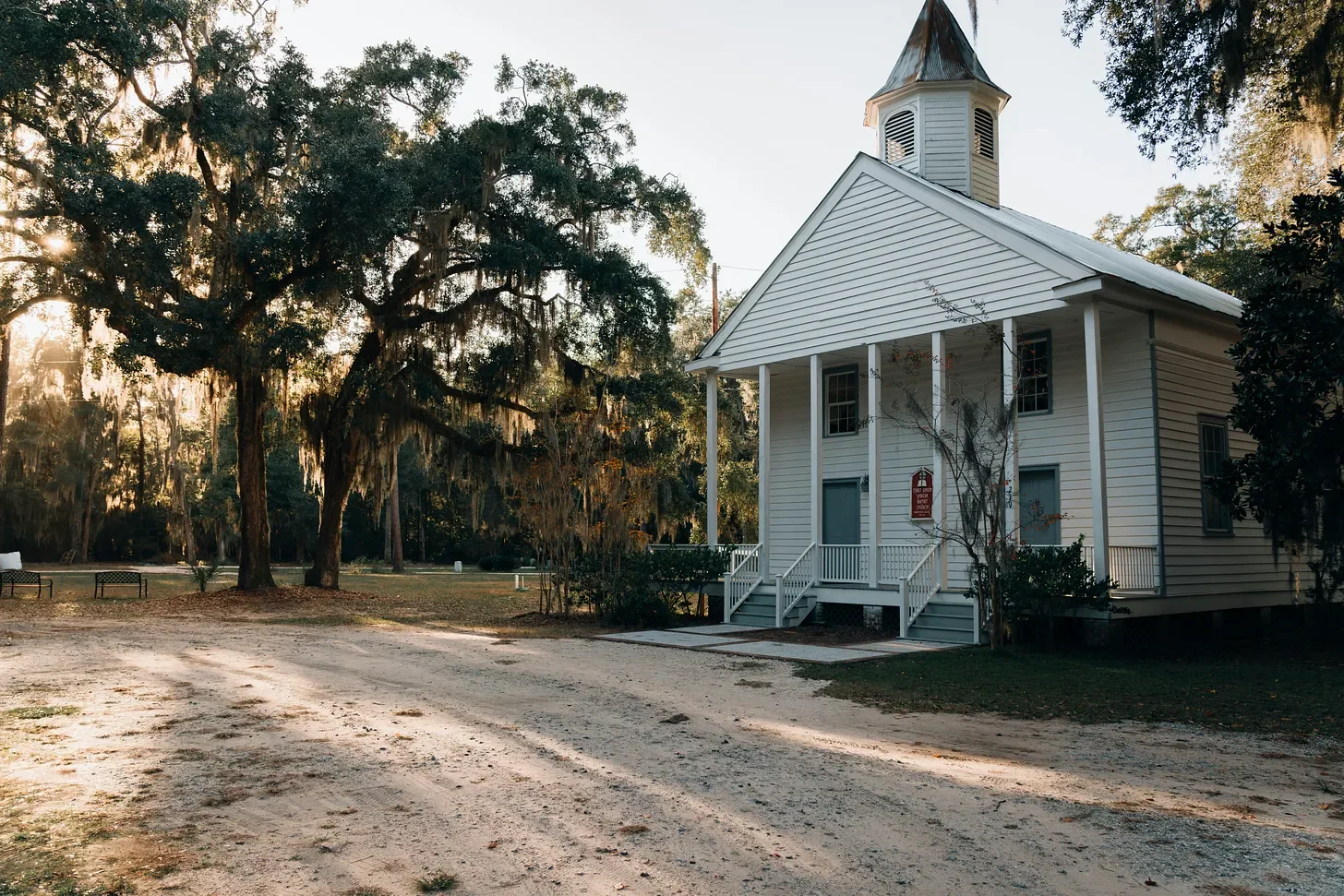
After stepping away from full-time ministry to launch the Engage Church Network, Mike Glenn reflects on what pastors need most and what no training program can provide. While leadership skills, sermon preparation, and church management can be taught, a genuine burden for people can only come through time spent with Jesus. Mike argues that prayer is not secondary to ministry but the foundation of it. A pastor's authority is rooted not in credentials or experience, but in closeness to Christ. Churches, he says, should protect and prioritize their pastors' time in prayer, because transformed pastors lead transformed churches.

My Dad Wasn't Normal
Mike Glenn reflects on the life and influence of his father, whose steady love, sacrifice, and devotion to Scripture shaped both his faith and his understanding of fatherhood. Looking back, Mike realizes that what seemed ordinary growing up was actually extraordinary. Through personal stories, he explores the responsibility fathers carry and highlights Paul's challenge in Ephesians: don't make it hard for your children to believe in God. The legacy of a faithful father, he argues, is one of the greatest gifts a child can receive.

How Pastors Can Help their Churches During an Election Year
Mike Glenn reflects on the unique challenges pastors face during election seasons, when political divisions often run straight through the middle of a congregation. He encourages church leaders to resist partisan pressure and remain focused on preaching Christ above politics. Rather than fueling anxiety, pastors are called to offer perspective, cultivate joy, and remind their people that their ultimate hope rests not in elected leaders, but in the unchanging reign of Jesus.

What Do We Expect?
A practical reflection on pastoral burnout, church leadership, and the confusion caused by unclear expectations. Mike Glenn challenges churches and pastors to honestly assess spiritual gifts, define responsibilities, and work together so ministry is shared by the whole body rather than carried by one overwhelmed leader.

Can God Trust Us?
Reflecting on Jesus’ prayer in John 12 and the faithfulness required to carry the cross, Mike Glenn explores a challenging question: not whether we can trust God, but whether God can trust us. He argues that throughout Scripture, God entrusts greater responsibilities to those who prove faithful in smaller ones. Rather than focusing on God’s reliability, this article invites believers to consider their own obedience and faithfulness, asking what God might accomplish through His church if He could trust His people more fully.

The Way Love Leads
Using the hiring of Starbucks’ new CEO as a starting point, Mike Glenn explores why church leadership is different from corporate leadership. While business skills can be transferable, effective pastoral leadership depends on something deeper: love. He argues that pastors are not called simply to manage organizations but to know, serve, and sacrifice for their people. In the kingdom of God, the strongest leaders are not defined by strategy or success, but by the depth of their love for those they lead.

Wrap Around Families
Raising children was never meant to be a solo journey. Drawing from his experience as a grandfather to a special needs child, Mike Glenn challenges churches to become "wrap-around families" for adoptive, foster, and special needs households. He reminds believers that bearing one another’s burdens often looks like practical acts of love, support, and presence. Sometimes the most powerful ministry is simply showing up and helping a family carry the load.