

Essays & Notes
The Romance of Like
A heartfelt reflection on marriage, companionship, and the quiet beauty of everyday life together. Moving beyond romantic clichés, this piece explores how lasting love is built through friendship, shared struggles, laughter, loyalty, and the countless small moments that make a lifetime together meaningful.

The School of Adulting
A heartfelt reflection on mentorship, maturity, and the church’s role in shaping healthy adults and spiritual families. Through personal stories and biblical examples, this piece explores how wisdom, character, and grace are passed down through intentional relationships, reminding believers that some of life’s most important lessons are learned through mentorship and shared experience.

You Can’t Outwork Your Fork
A practical and thought-provoking reflection on spiritual formation, mental discipline, and the importance of “spiritual nutrition” in a distracted world. Using lessons from fitness and personal training, this piece challenges believers to be intentional about what they consume mentally and spiritually, emphasizing that transformation begins with renewing the mind through Scripture, prayer, and wise influences.

Sometimes, I Don’t Believe
A vulnerable reflection on forgiveness, identity, and the struggle to truly believe what Jesus says about us. Through personal pain and honest faith, this piece explores how believers wrestle with insecurity, regret, and doubt while learning to rest in Christ’s love, forgiveness, and truth even in moments of unbelief.

More Road in My Rear View Mirror
A reflective meditation on aging, surrender, and the lifelong process of “dying to self” as a follower of Christ. Through personal stories, the journey of the disciples, and the hope of Easter, this piece explores how faith is formed through small acts of surrender that teach believers to trust that true life is found on the other side of death.

A Lot of Little Easters
A thought-provoking reflection on faith, courage, and embracing difficult assignments through the story of Caleb in Joshua 14. This piece challenges believers to stop searching for the easiest path and instead become people God can trust in hard moments, difficult callings, and Kingdom work that requires courage, discipline, and perseverance.

Caleb’s Prayer
A thought-provoking reflection on faith, courage, and embracing difficult assignments through the story of Caleb in Joshua 14. This piece challenges believers to stop searching for the easiest path and instead become people God can trust in hard moments, difficult callings, and Kingdom work that requires courage, discipline, and perseverance.

Team Jesus
A compelling reflection on teamwork, purpose, and the role every believer plays in the church. Using lessons from sports and team dynamics, this piece explores how churches thrive when people show up, understand their role, support one another, and work together toward a shared mission as “Team Jesus.”
There’s Gold Underneath that Silver
A powerful reflection on mentorship, legacy, and the hidden wisdom of senior adults in the church. Using the story of Eli and Samuel, this piece explores how older generations can guide, disciple, and strengthen younger believers through faith, experience, and intentional relationships.
Falling In Love Again
Mike Glenn compares struggling churches to couples who’ve drifted apart—busy with activity but disconnected from what matters most. He argues that renewal doesn’t come from new strategies, but from returning to their first love: Jesus and their mission. When churches refocus on that, passion and purpose follow again.

Thinking Like a Missionary
Mike Glenn argues that many pastors focus inward—learning church systems but neglecting the actual community around them. Instead of trying to reach “everyone,” churches should think like missionaries by identifying a specific people group and engaging their local neighborhood intentionally. Real impact starts by knowing exactly who you’re called to reach and serving them well.

Upside Down Leadership
Mike Glenn explains that church leadership isn’t about control, but service—Jesus is the true leader, and pastors are meant to equip others, not do everything themselves. When pastors carry all the work, they burn out and prevent the congregation from growing in their own faith. The solution is simpler than we make it: focus on discipleship, empower people to use their gifts, and keep the church centered on worship, mission, and multiplying leaders.

Knowing Your Yes
Mike Glenn emphasizes that every church is unique, with its own history, identity, and purpose—so a one-size-fits-all growth strategy doesn’t work. Instead, pastors should help their church discover its specific “yes” and focus on what it’s called to do well, while letting go of everything else. When churches embrace their distinct role, they can better serve their communities without competing with others.

I Remember Summer
Mike Glenn reflects on how the idea of “sanctuary” has shifted—from a physical safe place to something much harder to find in today’s hyper-connected, mistrust-filled world. With privacy eroding and authenticity fading, people are longing for somewhere they can truly be known and safe. His challenge is simple but powerful: Christians themselves are meant to be that sanctuary—creating spaces where others are protected, heard, and loved with honesty and grace.
Retirement
Mike Glenn explains that stepping down as pastor is a natural transition—both he and the church are entering new seasons that require different priorities and leadership. As he shifts focus toward family and mentoring pastors locally, he leaves confident the church is ready for what’s next and that his calling is simply changing, not ending.
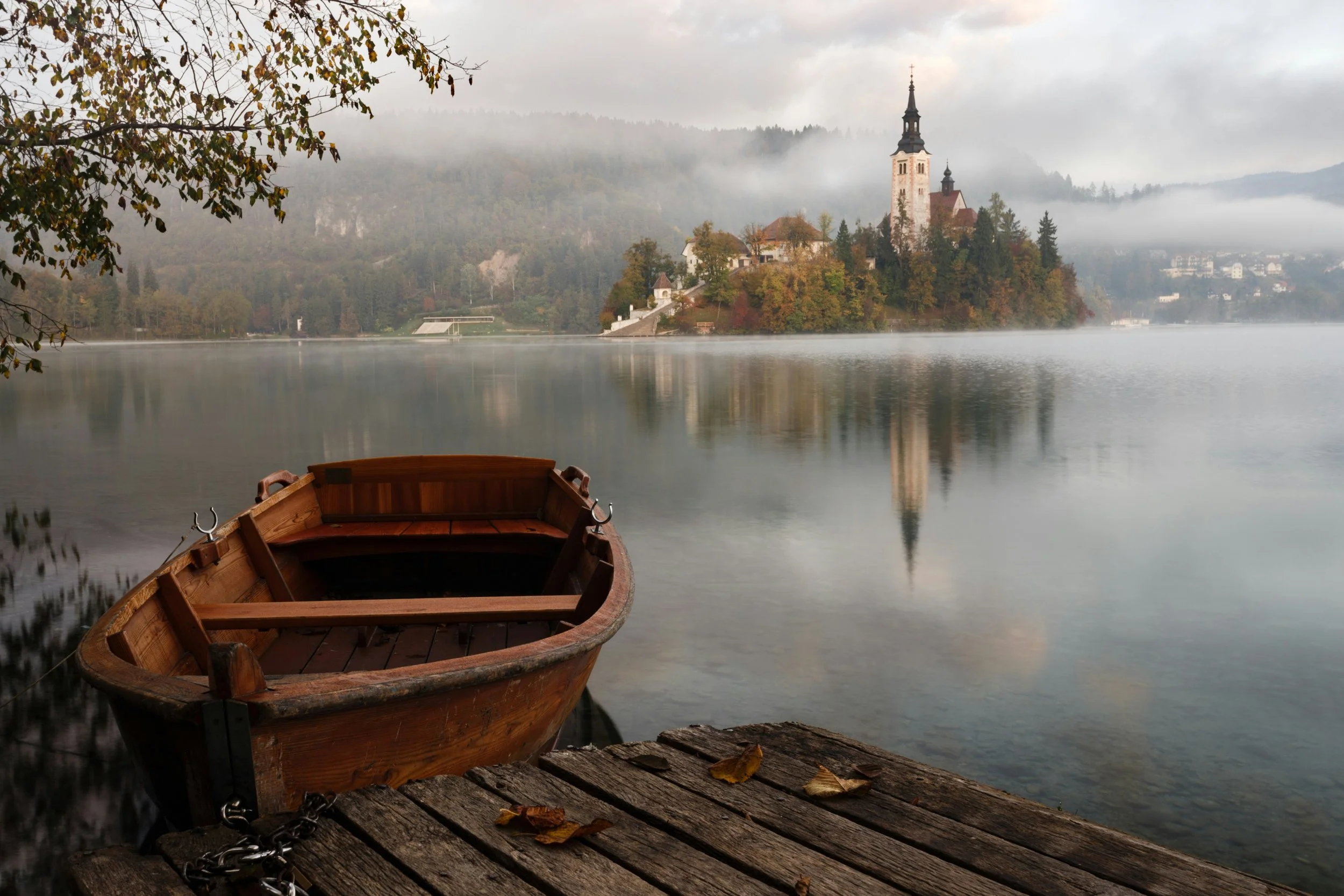
Sanctuary
Mike Glenn reflects on how the idea of “sanctuary” has shifted—from a physical safe place to something much harder to find in today’s hyper-connected, mistrust-filled world. With privacy eroding and authenticity fading, people are longing for somewhere they can truly be known and safe. His challenge is simple but powerful: Christians themselves are meant to be that sanctuary—creating spaces where others are protected, heard, and loved with honesty and grace.
Get 'er Done!
Mike Glenn uses the idea of “get ’er done” to show that real ministry isn’t built on perfect plans, but on people who step up and make things happen. The most impactful parts of the church come from everyday individuals who feel called to serve, not from strategy alone. His point is simple: the church works because people show up and do the work.

For the Pastor Who Follows Me
After more than three decades leading Brentwood Baptist Church, Mike Glenn explains his decision to step down not as burnout, but as clarity—he knows it’s time to make space for what’s next. He believes the church is entering a new era where megachurch models fade and smaller, community-centered expressions take their place, with ministry happening daily in neighborhoods rather than primarily on Sundays. Leadership will shift from doing the work to multiplying leaders, and trust—especially with younger generations—must be earned through visible, meaningful impact. At the same time, people are carrying deeper personal wounds than ever, making the need for the gospel more urgent and more powerful. Glenn’s message is both a warning and a charge: the structure of church may be changing, but its mission is not—and in a world hungry for hope, the church must rise to meet it with clarity, courage, and renewed purpose.

Tell Me a Better Story
After a cardiologist tells Mike Glenn to lose weight, he realizes the problem isn’t lack of knowledge—he already knew what to do, just like most people do. What finally moves him to change isn’t more information, but a compelling reason: the desire to be present at his granddaughter’s future wedding. That vision reshapes his choices in the present. From there, Glenn draws a larger point about faith and leadership—people aren’t transformed by facts alone, no matter how true or well-presented, but by stories that pull them into a different future. Just as his wife gave him a reason to change, the gospel offers the ultimate story—one that invites people into renewal, purpose, and belonging. In a world overflowing with information, what people truly need is a story worth living into.

Fighting the Last War
Mike Glenn compares church leadership to generals stuck fighting the last war—relying on outdated strategies while the world rapidly changes around them. He argues that many churches, especially those chasing megachurch models, are building based on what worked years ago, even as culture shifts toward smaller, more personal, and community-driven experiences. Younger generations aren’t drawn to large institutions or polished productions—they’re searching for authenticity, belonging, and real relationships. As a result, the future of the church won’t be found in bigger stages or better strategies, but in smaller, relational communities where faith is lived out daily. Glenn’s vision is clear: pastors must shift from leading crowds to developing people, as the church returns to its roots—gathering in homes, forming deep connections, and living as missionaries in their own communities.