The Overlooked Ministry: How Your Church Can Support Families with Special Needs
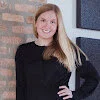
How Churches Can Support Families with Special NeedsIn this episode of the Engage Church Network Podcast, Mike Glenn is joined by Carley Ellis, the Programming Director of the Rowan Glenn Center at Brentwood Baptist Church. Carley shares her inspiring journey from volunteer to program director and discusses the importance of churches embracing special needs ministries.
-
Mike Glenn: Hi, I'm Mike Glenn, and I am the president of the Engage Church Network, and we're glad that you have joined us, uh, for today's podcast. For today, Carley Ellis, one of my favorite people in the world, is going to be joining us, and here's why Carli is one of my favorite people. She works for my granddaughter.
I do. My granddaughter, uh, as, as you probably know by now, uh, the special needs facility at, um, Brentwood Baptist Church is named for my granddaughter, Rowan. Mm. And Carli is a programming director for the Rowan Glenn Center. Yes. And, uh, and so we're here to talk about special needs. And, um, Carli is a great example of what we like to celebrate in our church because, uh, you came as a member, started as a- Mm-hmm
volunteer. Mm-hmm. Joined, uh, part-time, and then now- Yeah ... [00:01:00] full-time. Now full-time. And now you are the program director. Yeah. So it's been real fun to watch your ministry kinda catch hold and develop and unfold. And, and, uh, and the relationships you, uh, you have developed and established and, um, and impacted in, uh, in, in people like Rowan.
Carley Ellis: Mm-hmm. I would say it was, it was so fun whenever, uh, my husband and I moved to Tennessee, uh, for his work, which I'm sure you hear from everybody.
Mike Glenn: Mm. They're
Carley Ellis: always moving from out of state, and too many people are in Tennessee now.
Mike Glenn: That's right.
Carley Ellis: And I was one of those. I was one of those tran- transplants.
So, uh, we found ourselves at Brentwood Baptist, and we just loved your preaching, and we loved the choir. And I thought that that was it. Mm-hmm. I'm just gonna serve here. Um, and when we found out quickly th- from the Discover classes that there was the Embrace Special Needs Ministry, I was on it. I wanted to be a part of that.
So quickly, within one month, we were there, like, in May- Mm-hmm ... and I was a member, and I joined, and I started volunteering. And I got to know Ellie Axford. [00:02:00] Yes. Um, she was one of the, the starters where, you know, she says 17 years ago it started with just a concept.
Mike Glenn: Mm-hmm.
Carley Ellis: Um, and then it took five years before it lifted off the ground, so about 12 years ago, uh, the ministry started with four friends, um, and really took off.
And- And then we started
Mike Glenn: doing Capernaum.
Carley Ellis: Yep, Young Life Capernaum. Capernaum. Um, I might say it differently. Yeah. Capernaum. Capernaum. That's fine. Yep. Um, and then, uh, yeah, I joined seven years ago, just as a volunteer- Mm-hmm ... coming to the respites, hanging out with the preschoolers. And so it's really fun now that I get to see those friends, and they're so much grown.
Um, they're getting taller than me now. They're in middle school. Um, and so just, I'm like, "I remember you when you were tiny." Uh, 'cause Ellie says the same things too, um, about how, you know, they're all, like, in their 20s now compared- Yeah ... to whenever she started. And I'm like, "W- we feel old." But it's super fun, and I love this place.
And so yeah, I started as a volunteer, and I was like, "Wait, I can get paid to do this?" "You're telling me, like, I don't have to be in a [00:03:00] secular environment? I can talk about Jesus freely?"
Mike Glenn: Mm-hmm. "
Carley Ellis: And share my love of the gospel while also serving those with special needs?" 'Cause I just solely saw myself working for the state of Tennessee- Right
with their Department of Intellectual and Developmental Disabilities, back when it was that name. Mm-hmm. Uh, they changed it now to DIA. Um, but yeah, and so I was just like, "How do I best serve?" And so I can be part-time. I think you, you talked with my husband.
Mike Glenn: Right.
Carley Ellis: Um, you were talking to him. You guys went out to eat lunch, and that was so sweet that you're, you- he was there to talk to you about something else, and you were like, "Wait a second.
Tell me about your wife." Yeah. "She, she works with those with special needs?" Yeah. "I got a job for her." I got a job
Mike Glenn: for her
Carley Ellis: And I was like, "Oh, you, you were talking about me? Awesome. Let's do this." Um, and yeah, so I, I, I stick on like a leech. I was like, "Y'all try to get rid of me." Mm. I love this ministry and I'm here for it- Yeah
ride or die. Uh, and so that's, that's been the best part. And so went to full-time after several, you know, members advocating for me to get to that space. And so now I get to live, eat, and [00:04:00] breathe Rowan Glenn Center.
Mike Glenn: Oh, excellent. Uh, let's talk about, uh, part of the journey that the church went on, uh, that ended up with the Rowan Glenn Center.
Uh, and let's talk about how, how y- we and you and, and the leadership began to do the research to discover the real need- Yeah ... uh, for families with special needs children. Mm-hmm. And, and now those children grow up, now there's families with special needs adults- Mm-hmm ... and all of that. So, so let's just talk about some of the things that we found out-
Carley Ellis: Yeah, so, um-
when, uh,
Mike Glenn: when we started that process.
Carley Ellis: Well, currently, so one in four individuals are, uh, impacted by disability. Now, that just may be a physical, uh, developmental, il- intellectual, or mental disability. Um, but then that means 6.5 million people in United States are impacted by intellectual disability. So you think about how many people- Wow
that's impacting in the entire United States. [00:05:00] So let's just narrow that down even further.
Mike Glenn: Mm-hmm.
Carley Ellis: 10% of the students at Williamson County schools have an IEP. That's an intellectual el- education plan. So that's a way that we are adapting- Right ... their education to better suit them. Now, for, for
Mike Glenn: those who may not be aware of what an IEP is- Yeah
it is a special educational plan-
Carley Ellis: Mm-hmm ...
Mike Glenn: for this child that the parents and the teacher and the counselors and all that work out- Collaborate
Carley Ellis: together ... for this child. Yeah, so how we can adapt, um, and change the environment to be more accessible, or change the lesson plan to be more accessible. Right. And so thinking about that, you have those students that are growing up, and so you have not only those as individuals who have different learning styles, um, but you have their siblings.
Mm-hmm. You have their parents. And so if that's 10% of who's around you, how are you serving them and how are you not serving them? And you could, you could be completely missing them.
Mike Glenn: Mm-hmm.
Carley Ellis: Um, we talked [00:06:00] about this earlier, how they could be the unseen- Yeah, the, the- ... because these are the people that- ... the
Mike Glenn: underground, and the- The underground
and we were, we were blown away by the numbers of people who were living in Williamson County, uh, with a special needs child- Mm-hmm ... that no one knew about because these parents don't get out. Yeah. Uh, they, they can't go to c- they can't go to church, 'cause when they show up at church- We don't have anybody who can, who can keep your child.
Do you mind keeping your child?
Carley Ellis: Exactly. They're, they're an elopement risk. Right. Which means they could run away. Mm-hmm. Or, oh, they're just not listening to the, to the lesson the way they should. Mm-hmm. Or whenever we start to sing and dance, it gets too loud for them. Um, and so this is just not functioning with the way that we have to have it.
Yeah,
Mike Glenn: or they're too enthusiastic- Exactly ... with their singing or dancing- Yes, exactly ... as, as Rowan is. But, but you know, so
Carley Ellis: much so we can be like church is in a box. Right. This is how we always do church. Mm-hmm. And I feel like that's just such a sad way to look at that- Mm-hmm ... to be like, I will forever... I mean, yes, you wanna keep your traditions.
You wanna [00:07:00] keep those honed in, but also, there's a way that we can be flexible and we move on- Mm-hmm ... to the new phase of like, this is how we are bringing in a new branch.
Mike Glenn: Well, I tell people, the, the thing that, m- m- you know, a lot of things surprised me in this Rowan Glen, uh, Center journey. Um, when we broke ground for the building, there were more non-members- Mm-hmm
at that celebration than members. Yeah. And it was families who literally walked up to me and said, "Is this really gonna happen?" Is, "Are you really gonna do this?" Well, yeah. I says, "You know, we got the t- tractors and everything else- Yeah ... out here and the brick. We're going." "Are you really gonna do this?"
Because there have been a lot of promises and a lot of broken promises, and, uh, and there's this sense of, uh, of being overwhelmed. So, uh, describe, and I know, I know there's no typical family. Mm-hmm. But if you're gonna in broad strokes help our pastors and church leaders understand [00:08:00] what goes on in a family with special needs children, how would you help us understand that?
Carley Ellis: So, I mean, it, it starts from, from diagnosis. So whenever that occurs, if that's at birth- Mm-hmm ... um, or maybe when they're three, if they, uh, show early signs of autism, um, or if it's later on. Or even in utero. Yep, in utero. And
Mike Glenn: Rowan was utero.
Carley Ellis: Yeah. Okay. Or, or if it's something later on that's maybe like a, a, a cancer diagnosis has caused this- Mm-hmm
and then now they have this long-lasting, um, repercussions- Right ... of the things that have happened. So it's, it's that first stage of just the, the normal stages of grief. We go through denial. Mm-hmm. We don't wanna accept that that's something that's happening to us. And so even though we as churches may be like, "Hey, I see something going on with your kid."
Mike Glenn: Right.
Carley Ellis: Um, they're having a hard time listening, focusing. We're having more tantrums happening in class. Mm-hmm. How do we fix that? And the parents are like, "It's just happening all the time. I don't even know how to handle this." Mm-hmm. "I can't take them to the grocery store. I'm getting phone [00:09:00] calls at school that they're gonna get kicked out, or this daycare doesn't want them anymore 'cause they're biting.
Um, and I just don't know what I'm doing." And so most of it is pushing away, and then sooner or later it'll come to acceptance. Um, but thinking about how that's not just... Like, that's at the beginning, and then that happens over and over and over again. Yeah. Because that next stage- Yeah ... where it's, "Oh, they're supposed to be walking by now.
Oh, their other friends are playing T-ball- Mm-hmm ... and we can't."
Mike Glenn: Mm-hmm.
Carley Ellis: Um, or, "Oh, everybody's going to college. People are getting married- Yeah ... and moving out." Yeah. And so it's each of those different stages. So each time the grief
Mike Glenn: and the d- It just compounds ... that, that, that process compounds and comes back.
Mm-hmm.
Carley Ellis: And then they can also, um, take a lot of those things that as a parent you want your child to, to follow in your footsteps. Mm-hmm. If you played baseball, you want them to play baseball. And so with that child who's unable to physically- Mm-hmm ... or maybe developmentally, you push all of that onto their sibling.
And so we see a lot of that, too, where their sibling feels like, "I must be the perfect child." Right. A lot of pressure. "I have to meet all of these [00:10:00] expectations- Mm-hmm ... um, because my sibling can't." Mm-hmm. Um, but then also they're like, "How do I be me? How do I be free?" Mm-hmm. And so we, we're not only catering to the individual who's impacted, but their siblings.
And then, you know, the entire- And then their parents ...
Mike Glenn: entire family, right. And so you
Carley Ellis: have to make sure y- you are caring for every single person- Mm-hmm ... a part of that. And so I think just coming forward in that intentionality, and that might seem like a lot.
Mike Glenn: Mm-hmm.
Carley Ellis: Um, but I, just as you would say, we are so glad that we are a church that God calls to do hard things.
Do hard things, yeah. Yeah. And so the whole family can really come together and be plugged in, because if, if we take that individual aside, you are missing out on some amazing people.
Mike Glenn: Mm-hmm. Those
Carley Ellis: parents that could be worshiping. We just had some in Bellevue Baptist- Mm-hmm ... um, just in Bellevue here- Right
uh, in Tennessee. Uh, they're looking for it. So both of the worship ministers have a daughter, and they want to find someone who can care for her while they're doing their God spiritual gift.
Mike Glenn: Right.
Carley Ellis: Um, [00:11:00] but they can't unless the church wraps around
Mike Glenn: that. Mm-hmm.
Carley Ellis: Um, and so you'll, you'll miss out on people.
Mm-hmm. You'll miss out on, um, our orchestra minister. Yeah. Because if we weren't there for his daughter, then how would he be able to show us how awesome he is? Right. And so preachers, if you weren't up there because, you know, you needed to be there with Rowan- Mm-hmm ... and, uh, with Craig. And so, and then the siblings, too, how that affects them with as they grow up, if they experience that church hurt, that my family wasn't accepted- Right
wasn't intentionally sought out. How hard is that gonna be for them to leap forward and decide- Yeah ... I'm gonna join a church? Yeah, the
Mike Glenn: church didn't love my sister- Mm-hmm ... or my brother, and that, that, that carries on.
Carley Ellis: It does.
Mike Glenn: Now, a, a lot of, a lot of, uh, of, of our friends watching this want to They don't know how, and they're scared.
Mm-hmm. Uh, we, we don't know what to do. We don't have the facility. Uh, now, now we didn't start with the facility. Oh, totally. We started, we started with a room. Yeah. And- We, we
Carley Ellis: make jokes. We started with a closet. Yes. The kids [00:12:00] weren't in it. We didn't shove the kids in a closet. Um, but all the items were in there.
Right, yeah. So, and just like you would with a, with a transitional church that, you know- Mm-hmm ... if it's half a school during the week time- Mm-hmm ... and you have a church on the weekends, and you're like, "We gotta take everything out of the closet," well, you're gonna have a fidget bin, and it's something specific for that child.
Mm-hmm. It may be their favorite toy.
Mike Glenn: Mm-hmm. It may
Carley Ellis: be something for them to mess with. Uh, just like, you know, me with the young kindergartner, I bring in a backpack full of supplies- Right ... um, to interest him so that he can go to large, big church with us. Um, but yeah, so what I say to everybody is when you are a preacher, when you are a public speaker, how are you thinking about narrating this to your audience?
Mm-hmm. So are you thinking about how they are auditory learners? Um, they are, uh, tactile, so if, you know, they need to touch something to s- or visual learners. Mm-hmm. So then you guys have PowerPoints on the back. Right. You have, uh, videos and emotional stories to really bring people into those heartfelt moments, or we have bullet points.
[00:13:00] Mm-hmm. You have the bulletin in their hand. So think about that whenever you're working with people who are impacted by disability, and it could be young to children. I know that we do that a lot in the preschool and kids' ministries. There's always something fun for them to hold. Right. Um, and student ministry and up is when it starts to go away from that, and I think we just bring that back into it.
We need to start thinking about more how everything needs to be different way of learning, and then also- Okay, good ... we need to think about our senses. Yeah, yeah. So think about your five senses. So is it too loud? So do you have the option and availability up in the front, uh, to have headphones?
Mike Glenn: Mm-hmm.
Carley Ellis: 'Cause it, it could just be the worship, hey, we be getting it on certain Sundays, and our friends are like, "I can't handle this" Yeah. And I'm like, "Me too." Right. Let's get those earplugs. Uh, is it too bright, or is it too dark? Mm-hmm. Is it a little scary because we just made this pitch black like a movie theater?
Um, are people too close? Do we have the option for people to sit in the back and maybe have some space around them so there's accessible seating spaces?
Mike Glenn: Mm-hmm. Is there a space where [00:14:00] the child might walk around?
Carley Ellis: Yes, yes. Like is this- Oh ... a good spot for me to pace if I just- Mm-hmm ... need to pace in the back?
I'm not gonna touch anybody or anything if I know that this is my parameters.
Mike Glenn: Mm-hmm.
Carley Ellis: And sometimes you have to do that, and that's okay, and also to be accepting of a joyful noise. That is the part that I love the most. We have some friends who love to sing and worship with us. Mm-hmm. And if he wants to bounce up and down and put his hands in the air, I love that we do that.
Yes. Now, I know not every, every church, every denomination is all about their hands in the air, but we are, we are praising up. Um, and so I love that portion. And so then we know that for those certain friends that we have, they're able to attend and really be impacted by the worship portion. Mm-hmm. But we come back for sermon, 'cause we know that that's harder, to sit still during that thing.
So thinking about how you can navigate what you already have open and available, but making it approachable for them.
Mike Glenn: Right.
Carley Ellis: So then we go back- That's what's cool ... to our rooms- Mm-hmm ... and we have a life group together, where we can ask deeper questions. "What did he mean by that?"
Mike Glenn: Mm-hmm.
Carley Ellis: Um, and [00:15:00] go off on a rabbit trail, where we're supposed to be quiet in service and keep our hands to ourselves.
Right. And that might be hard for 30 minutes.
Mike Glenn: Yeah. Well, it's hard for me. Yeah. I don't know, much le- much less a special needs child. So true. Uh, but, you know, I love that, um, that we started where we did. Anybody can do- Mm-hmm ... a Friday night. Yeah. Anybody. And you know what we found out was the, the parents would drop the child off- Mm-hmm
at Young Life Capernaum, and, and we thought they would go out. You know? Yeah. What we found out is they would run up the road to Chick-fil-A, they would drive back to the parking lot, and the husband and wife would sit in the, in the parking lot in their car.
Carley Ellis: I make so many jokes about how I'm like, "It, you can take a date night- Yeah
but I'm sure you're gonna go back home and do laundry or- Yeah ... go nap in the car." That's
Mike Glenn: right.
Carley Ellis: Or whatever you wanna do.
Mike Glenn: It, it's one of the few times that [00:16:00] they, they can sit and talk- Mm-hmm ... and not be interrupted. And like you say, they're so tired, but also what we found out is they're scared. Yes. "If I get too far away, I'm gonna have to run back here," and this stuff.
And it takes them months before they finally realize, you know, the Rowan Glenn Center can handle. Mm-hmm. My child loves the Rowan Glenn Center and all that. Well, when, uh, when I stepped back from my job as, as senior, uh, pastor, and I looked at my wife and I said, "We can go anywhere. We can live anywhere we want to.
Where do you wanna live?" She said, "I wanna live 15 minutes from my grandchildren." Yeah. And, uh, and then later we sat down and, um, and we, we said, "We wanna live our life and make our decisions so when our sons call us, our daughter-in-laws call us, the answer is yes." Mm-hmm. So when Craig and Ann call us, say, "Can you keep Rowan?
Can you keep Wal?" "Yes. We'll be over there in just a few." Talk about the importance of [00:17:00] wrap-around families. Yeah. People who become extensions of that, who know that child well enough that they can come in, stay for an hour. Stay for, uh, you know, babysit for dinner or something.
Carley Ellis: It's a big thing to be able to trust that this person, um, can not only love your child, but keep them safe- Mm-hmm
and keep them well, and know all the intricacies. You wouldn't believe how many people I know that they're afraid of balloons or Band-Aids. Right. Um, you can't put a Band-Aid on them because it's gonna make it worse. Mm-hmm. And, uh, so just all the different things that as a parent- Rowan hates
Mike Glenn: Happy Birthday.
Yeah. You can't sing Happy Birthday to Rowan. And you don't- She hates it ...
Carley Ellis: wanna be like, "Hey, babysitter I found on care.com." Right. "Let me give you five pages of how to talk to my child." Exactly
Mike Glenn: right. Yeah. "
Carley Ellis: And then let me go on a date night and expect that I can just have a calm moment- Mm-hmm ... and you're not gonna call me going, 'I think I sang the song wrong.'"
Yeah. "How do I get them to calm down? Oh, it's this tone, not this tone?"
Mike Glenn: Yeah.
Carley Ellis: And so church is just such a great way to do that because [00:18:00] I think a great way to start special needs ministry is with respite.
Mike Glenn: Mm-hmm.
Carley Ellis: Um, it's whenever you, hopefully, you know, you don't have a lot of programming going on, so you got Sundays and Wednesdays, so if you pick a Friday or a Saturday.
Uh, and then you're building your volunteer basis and you're building your friend basis to figure out what families you can serve and that are in your ministry and that want to be there, that are in your community. Mm-hmm. And then you get them knowing each other, and then that way that they can start building those friendships, uh, becoming maybe their personal aide.
You know what? We, we find a lot of college students who are like, they find their new calling in life-
Mike Glenn: Right ...
Carley Ellis: uh, because they started babysitting or nannying for a family, and then they volunteered with us a couple times, and then they're like, "I know these people- Yes, they are ... and I can do this." Mm-hmm. And, and so it's just so amazing to see just how it all comes together.
But more times
Mike Glenn: than not, what happens is the special needs child recognizes the gifts in the person- Yeah ... and responds to that gift and, uh, and lights up when they come into a room. Oh, [00:19:00] yeah. And, and, and that, that's where you see the calling validated-
Carley Ellis: Mm-hmm ...
Mike Glenn: by, by the person that's receiving the ministry.
Carley Ellis: I would say that is one of my favorite moments. Yeah. Um, 'cause I, since I started out as a volunteer, and then moving my way on up, I had a heavy heart for our volunteers, feeling that they are safe and secure.
Mike Glenn: Mm-hmm.
Carley Ellis: Um, that, you know, you gotta start with some procedural things to make sure that h- am I equipped if something should happen, because we do have a lot of individuals who have seizures So medically, d- can they handle a first aid situation?
Um, but then also, do they have the heart to just listen and understand that everybody's Gospel understanding may be different? If he just says, "Jesus is in my heart and he loves me," well, I don't need him to recite all of Romans road. I know that he feels- Right ... this. Yeah. Um, and so it's just having that heart for it.
Whenever I am able to find a volunteer, and even if they say that they previously worked with preschoolers- Mm-hmm ... that's one of my favorites. Oh, my goodness. Susan, I'm gonna shout out to her. Um, so she started [00:20:00] working in preschool ministry, and I lovingly like to say that we stole her, 'cause she heard about us on the platform, um, and so she came over and checked it out, and now she works with our adults.
And she's in it. She j- she runs the adult life group. Mm-hmm. And she's so amazing and in it. And she's like, "I used to work with preschoolers all the time, and I thought that was my calling, but now this is my new space." Right,
Mike Glenn: yeah.
Carley Ellis: And so it can change. And so whenever I find that perfect pairing that, like, I thought this person would be really good with this little boy.
Oh, no.
Mike Glenn: Mm-hmm. When I
Carley Ellis: put them in a room together, she gravito-tated towards a different one, and they now, like, he comes to church glowing- Yeah ... telling his mama, like, "Oh, please, I wanna go play with my best friend." Mm-hmm. "I'm gonna go to church and go hang out with her." And,
Mike Glenn: and go looking for that environment.
Yes. Come in, yeah. And it
Carley Ellis: makes it so easy- Yeah ... for the parents- Right ... to be like- Yeah ...
Mike Glenn: I can
Carley Ellis: just drop them off because there's no fight, no struggle- No ... about going to-
Mike Glenn: Well, Rowan runs into the building.
Carley Ellis: Yes. Oh, she- Yeah ... owns that place. Yeah. And she loves everybody there. So... Oh, my goodness. But just that, that [00:21:00] recognition- Mm-hmm
that she's just like, "These are my people." Mm-hmm. Um, and when they start to do that and they see us and they call out our names, that just melts my heart. Oh,
Mike Glenn: yeah.
Carley Ellis: So.
Mike Glenn: Now, w- w- and w- I want, I want y- y- you guys to hear this. It, it... I know when you think about special needs, it scares you out of your mind. Uh, but let me tell you something.
The, the payoff of the life impact and what comes back to you overwhelms that fear very, very, very shortly. Uh, so every community has special needs. Mm-hmm. Every church, then, has an opportunity to do special needs. Yes. So let's, let's help our friends walk through. I don't have a building. I don't have... I can start a respite care.
Carley Ellis: Yep. And you can, uh, think about how you're doing your curriculum. So is it written? Is it visual? Can I take it to the [00:22:00] classroom? Maybe you have a sensory bin- Mm-hmm ... in the preschool classroom. So not only are we talking about Jonah and the whale, but here's a little whale.
Mike Glenn: Right.
Carley Ellis: And here's a little, little Jonah figure, and we're gonna do this, and they can touch that.
Mm-hmm. And the ways that we can just be accessible and adaptable in that. Um- So you
Mike Glenn: can literally start with a bin. A
Carley Ellis: bin, yeah, just something tiny. If it's, it's something that calms them. Mm-hmm. Um, it could be Silly Putty. Mm-hmm. It could be anything. Um, or it could be just, yeah, like you said, walking around, if there's a space for them to move in.
Mike Glenn: Mm-hmm.
Carley Ellis: Um, if there's a certain buddy. So that's... The buddy system is where- Right ... we start. So that's gonna be your one-on-one person who, uh, it might be a team of people. You know, I, I take first and third, and you take second and fourth weekend, and we rotate off. But the
Mike Glenn: consistency with- Mm-hmm ... this child is huge.
Carley Ellis: Yeah. It, it allows them to feel like they are understood. Mm-hmm. And then also, those volunteers start to really care for the family, too. Mm-hmm. And that's whenever you start having those people who feel comfortable to come on a [00:23:00] weekend, on a Saturday, to give that date night, because they're like, "I see them on Sunday."
Yeah. "We can all make this work for an hour. It's perfect." And so the kids start getting used to the space. Mm-hmm. And then as they grow, we just start incorporating more of, okay, what does it look like for them to be in the student ministry, and how does it look like for them to be in the adult ministry?
Can they sing in choir?
Mike Glenn: Mm-hmm.
Carley Ellis: We have several who sing in choir. They're part of preschool volunteers. Right. They're greeter team. Because these are individuals that if you aren't seeking them just because they might look differently, um, or have a disability, you're missing out.
Mike Glenn: Right.
Carley Ellis: That's another soul.
That's the Great Commission. We are reaching everyone, and you are missing out on this person- Mm-hmm ... um, and how they can just bring such a story to life. Well, and,
Mike Glenn: and with so many families, if you don't love my child-
Carley Ellis: Mm ...
Mike Glenn: then you don't love me.
Carley Ellis: Exactly. If you're not- Yeah ... accepting of these different people.
Right. And i- it's something we call church hurt.
Mike Glenn: Mm-hmm.
Carley Ellis: When they feel [00:24:00] church hurt, it lasts. Mm-hmm. It's a long time. Yes. And it takes a long time to repair it. And so that might be the scary part, too, is that you have people coming to you who have experienced church hurt, and so you're already c- they're already coming jaded.
Mm-hmm. And they're expecting you to say no, um, and to not be accepting or willing to even listen to their story- Right ... to s- hear their side of it and how- And you're not, you,
Mike Glenn: yeah, I heard the promise, but you're not gonna fulfill it. Exactly. You're not, you're not gonna hang in there.
Carley Ellis: Yeah. And then, a- and it could be far away.
It could be, you know, your niece or your nephew. It could be your grandchild. Right. And you're just like, "I don't know if I can trust the church anymore, because they're hypocritical. They're not open- Right ... to everybody." Yeah.
Mike Glenn: Yeah. It's hard. And so-
Carley Ellis: And so you have to navigate those waters
Mike Glenn: Uh, and, and I know because it w- it was scary to us as we b- as we began, and you began to g- uh, see a p- a lot of your neighbors that you didn't know who were right around the church- Mm-hmm
but we never saw because of, of the requirements of the special needs. Mm-hmm. Uh, [00:25:00] talk to, uh, uh, befo- before we go, and I, I only bring this up because of, of how close we are to Craig and Nan. And, and Craig and Nan are in a good situation with Rowan. She's got great doctors. Both, both grandparents are in town.
All four of us are here. All four of us are involved. Mm-hmm. But the strain on the parents and on their marriage and on their own individual lives, and how important it is for the church to recognize that and minister to that, so.
Carley Ellis: I was just talking to a parent yesterday. Um, and so with the different therapies that her daughter is in, uh, she's taking her in the morning for three hours.
Mm-hmm. And then she has a different one in the afternoon. And then each time, her daughter has some social anxieties. Mm-hmm. So she's talking her through b- beginning and end, and she has short-term memory loss.
Mike Glenn: Mm-hmm. And
Carley Ellis: so she's the one who has to have that Rolodex of, like, we went to this doctor on this day, and this is what he said, and then, oh, we're [00:26:00] changing the meds to this.
And so she has to keep all of that in her mind. So you think about that mental load just weighing her down. Right. She is the chauffeur, the chef. She is everything- Mm-hmm ... to her daughter, and that's nothing to say about herself.
Mike Glenn: Right.
Carley Ellis: That's nothing to say about her marriage. And every one
Mike Glenn: of those roles, chauffeur, chef- Yep
uh, uh, medical director- Personal assistant ... personal assistant- Yeah ... has different requirements. Yes. It's not that you just drive a car. Therapist. Yeah, you, you- You know, I'm there
Carley Ellis: for her to download all of her anxiety. Yeah, yeah, yeah. Who am I supposed to talk to? Yeah. You know, and then, yeah, her marriage, her...
She's a, she's a grandma. How is she gonna be a good grandma if she's- Mm-hmm ... still there for her daughter in that intensive level? And so you think about all these ways that and, and so we asked her, we're like, "When do you get a moment for you?" And she goes, "I'm just not even on that right now. I can't even."
I don't, I
Mike Glenn: don't even ask that question. There's not a moment
Carley Ellis: of when I take a break, when I relax. Mm-hmm. Maybe it's the 30 minutes she's in the car between appointments- Mm-hmm ... that she's sitting out there waiting, but she's probably trying to catch up on insurance phone calls. Right. You believe how many times [00:27:00] you were sitting there for, like, an hour and a half on a phone call just to get told that you called the wrong number?
Mike Glenn: Right.
Carley Ellis: And so I think about that and just how much it weighs on them, and it compounds. Mm-hmm. That you have years to unfold, that they need to work on themselves, work on their relationship, and that's not even, we haven't even touched on their relationship with God. Mm-hmm. You
Mike Glenn: know- And
Carley Ellis: they all need worship
how are they doing with Him? Are we, are we focusing on Him? Are, is He the start of every day? Are we praying into this? Mm-hmm. Um, and so they're just, they're broken.
Mike Glenn: Yeah. The, the conversations I had is, and, and you've had them as well, of parents who for the first time sat for an hour in worship- And nobody called them, or nobody did- Yes
we just got to sit the whole hour. Yeah. And the first couple of times, I didn't even really relax, waiting to be called. Yes. You know- Oh, yeah. You're- ... we're always called for something ... checking your phone every five seconds Yeah, yeah, somebody's gonna come get us. Someone say something. No, we
Carley Ellis: got- Yeah ... we got
Mike Glenn: this.
We can take care of your kids. Like,
Carley Ellis: that is just such a blessing. Yeah. And you see the weight lifted off their shoulders- Mm-hmm ... that, like, I get to worship and, like, check out.
Mike Glenn: Yeah.
Carley Ellis: For a minute, I get [00:28:00] to be here- Just, just relax ... and in the moment, and just let God speak to me. Mm-hmm. And that's okay, because I know that my child is safe.
And not only safe, happy.
Mike Glenn: Yeah.
Carley Ellis: Learning- Yeah ... about Jesus.
Mike Glenn: Eager, eager to go. Yes. And, and, uh- We're, we're not just
Carley Ellis: babysitting. No, gracious. No, we are definitely. No.
Mike Glenn: And I can, I can tell you that, is from, from just the way that we're, Rowan loves going so much. Oh, yeah. Uh, you have, and one of the things that we found out, one of the things that you will find as you begin to investigate this, you have a number of families in your community who have a special needs child, and because of that, they have all of these other- Mm-hmm
needs as well. And we have the privilege and honor of showing God's love to them in very real and tangible and not difficult ways, uh, that make a huge impact in that. So, uh, recognize that this is a need of your community. Mm-hmm. Start small, and start where you s- where you can. Your special needs ministry can be a night, uh, of respite- Mm-hmm
where you take care of the ch- uh, for the children, for the parents [00:29:00] to go grab a hamburger. It can start with a bin so that, say, Rowan would have her own bin of her special toys and her special- Mm-hmm ... comforting things- Yes ... in there, so when she comes, she knows she can get that bin, and then that's her world.
Uh, creating a, a space for, uh, parents and for these children to worship, uh, and worship in their way. And if they- Mm-hmm ... and if they do sing a little too loud, or a, a little late or a little early- You know ... it's okay. Uh, you're not the audience, and, uh, and it's the Lord that's enjoying them a lot more, uh- Mm-hmm
uh, than, than we are. Uh, but listen, be mindful of this opportunity, and, um, and, and do some legwork. Ask around, and find the opportunity for you. And I'm gonna put you on the spot here- Oh, please do ... as we end. Uh, the Rowan Glenn Center is one of the finest special needs ministries that I know about. So reach out to the Rowan Glenn Center.
Reach out to [00:30:00] Carli. Mm-hmm. We'll be glad to answer your questions from everything from the kind of material you have on the wall- Mm-hmm ... or what kind of activities your church can plan. Uh, all of that, we'll be glad to be a resource to you. This is an exciting ministry, and I know it scares you, but the payoff you get and the joy that it brings to your life is worth more than you will ever give.
Mm-hmm. So, so hear me in, in saying that. I am Mike Glenn. This is Carley Ellis. Hey. Thank you for being with us- Yes ... uh, today and joining us. And this is the Engage Church Network podcast. Mm-hmm. Thanks for being here.